

Frequently Asked Questions
Navigating the English Channel and North Sea is complex, with dense traffic, strict reporting requirements, and unpredictable weather conditions. To help vessel owners and masters better understand the value of our services, we’ve compiled answers to the most frequently asked questions about Deep Sea Pilotage Services.
From boarding locations and IMO recommendations to safety, compliance, and cost savings, these FAQs explain how our licensed pilots can support your vessel’s safe and efficient passage through some of the busiest shipping lanes in the world.
Deep Sea Pilotage
What is Deep Sea Pilotage?
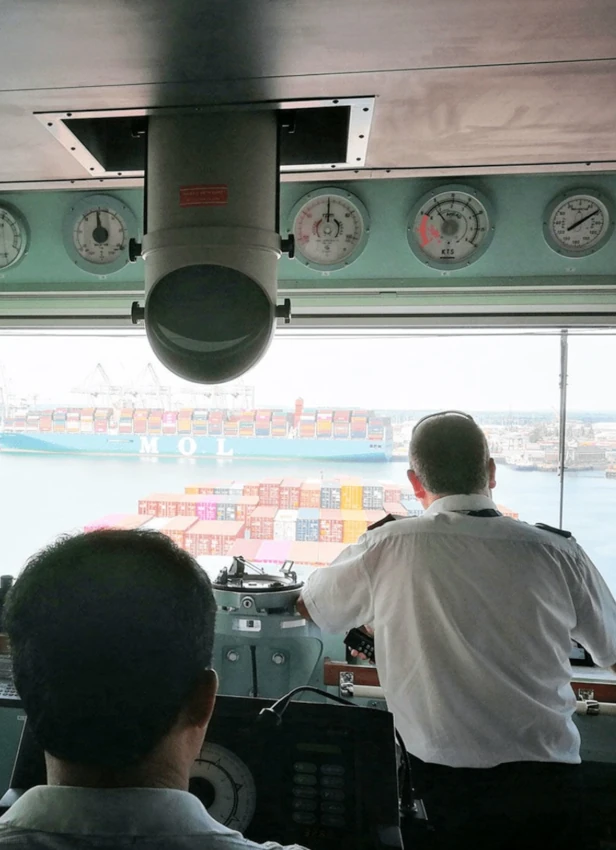
Deep Sea Pilotage involves the embarkation of a qualified Deep Sea Pilot onto a vessel to provide specialist navigational support during complex or high-risk passages, such as through the English Channel and North Sea. The pilot assists the Master and bridge team with routing, traffic avoidance, weather routing, fatigue management and regulatory navigation.
Why is Deep Sea Pilotage recommended?
Several governing bodies, including the UK Maritime and Coastguard Agency (MCA), the International Maritime Organization (IMO), and EMSA (European Maritime Safety Agency), recommend the use of Deep Sea Pilots, especially in congested and challenging waters like the Dover Strait and English Channel. Deep Sea Pilotage enhances navigational safety, supports decision-making, and reduces the risk of incidents or delays.
What are the benefits of using Deep Sea & Coastal Pilots Ltd?
- Licensed by Trinity House, with pilots holding extensive command experience as former Masters.
- Pilots undergo specialised training and certification.
- Our service is flexible, with embarkation/disembarkation available at key locations such as Brixham or Cherbourg, making use of local launch services at highly competitive rates.
- Safety-focused navigation advice tailored to traffic, draft restrictions and route conditions.
Where do pilots embark and disembark?
We typically board and land Deep Sea Pilots at Brixham, Cherbourg or Skagen via launch, which offers quick and cost-effective launch services. Embarkation can also be arranged throughout NW Europe depending on operational requirements.
Is Deep Sea Pilotage mandatory?
While not mandatory under SOLAS regulations, many operators, insurers, and charterers view the use of Deep Sea Pilots as a best practice. It is especially encouraged for vessels with limited bridge team experience, poor weather conditions, or navigating through the world’s busiest waterways.
How far in advance should I book a Deep Sea Pilot?
While we can often respond at short notice, we recommend booking at least 48–72 hours in advance to ensure pilot availability and optimal planning, especially during peak periods.
What types of vessels do you provide Deep Sea Pilots for?
We provide services to a wide range of vessels including:
- Tankers (crude, product, chemical, LNG)
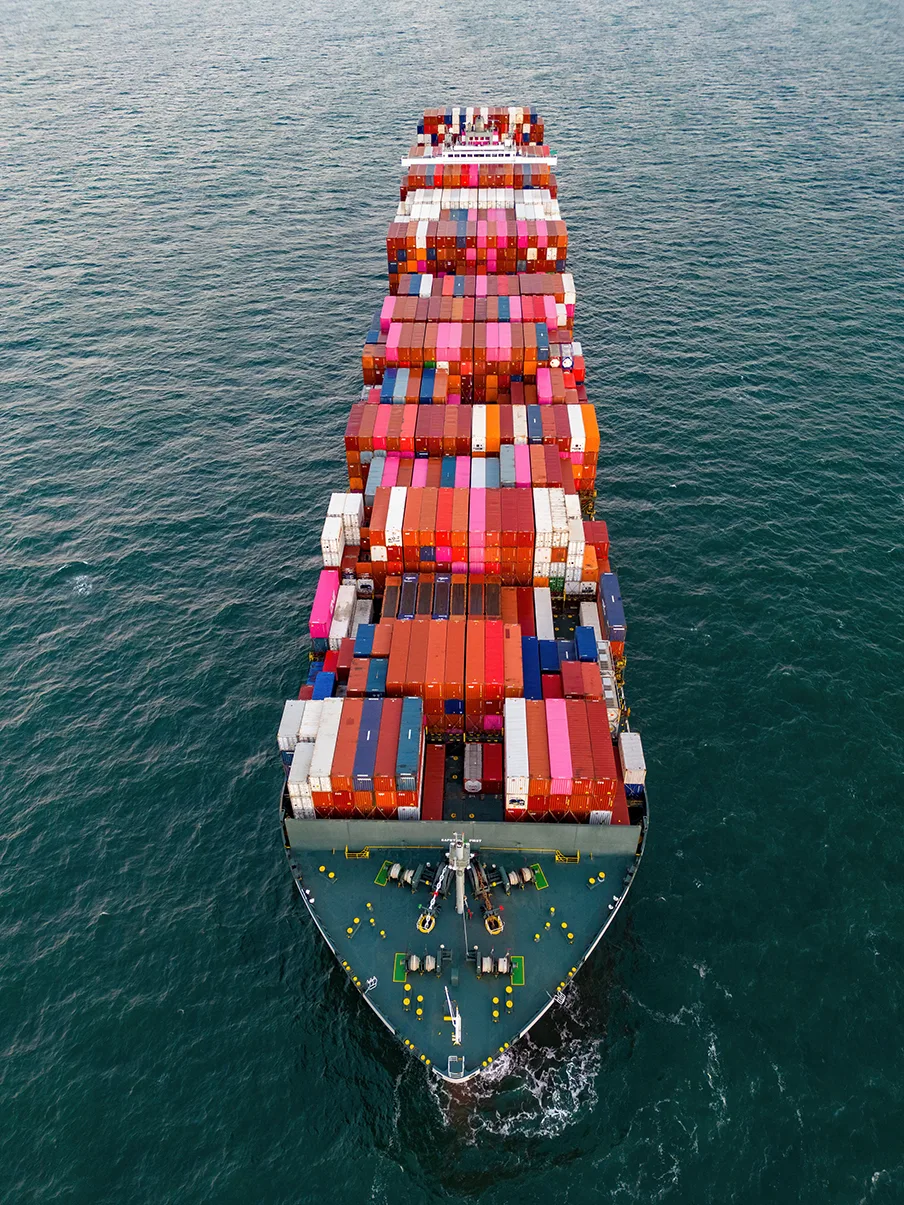
- Container ships
- Bulk carriers
- Passenger and cruise ships
- Heavy-lift and project cargo vessels
- Naval and government vessels
All pilotage is tailored to the vessel type, route, and operational profile.
Do Deep Sea Pilots replace the vessel’s Master or officers?
No. Deep Sea Pilots act in an advisory capacity, supporting the Master and bridge team. The vessel’s command structure remains unchanged, and the Master always retains full authority and responsibility for the vessel.
Can a Deep Sea Pilot embark while the vessel is underway?
Yes. We routinely arrange underway embarkations via pilot launch, particularly off Brixham or Cherbourg, where conditions and proximity to shipping lanes make this efficient and cost-effective.
Can pilotage be arranged alongside other services (e.g., crew change, provision/stores, chart delivery)?
Yes, we frequently combine pilot transfers with other vessel services through our partnership with Brixham Ship Agency Services (BSAS). This reduces cost and downtime and makes Brixham a strategic all-in-one service point.
Navigational Audits
What are Navigational Audits?
Navigational audits are structured assessments of a vessel’s navigational practices, bridge team management, and compliance with safety and operational standards. These audits can be performed at sea to observe real-time operations or as part of TMSA (Tanker Management and Self-Assessment) compliance programs.
Why choose Deep Sea & Coastal Pilots Ltd for Navigational Audits?
- All audits are carried out by experienced Deep Sea Pilots who are former Masters.
- Unlike stand-alone audit services, our audits can be conducted while the vessel is underway during Deep Sea Pilotage, maximising efficiency.
- We focus on constructive feedback, highlighting practical improvements for the bridge team.
- Audits align with industry standards, including TMSA 3 – Element 5 (Navigational Safety).
What areas do your audits cover?
Our navigational audits include, but are not limited to:
- Bridge Team Management (BTM) and communication
- Use of passage plans and ECDIS
- Radar and lookout management
- Compliance with COLREGS and STCW
- Master/Pilot interaction
- Navigational risk awareness and safety culture
Are the audit reports suitable for TMSA submissions?
We typically board and land Deep Sea Pilots at Brixham, Cherbourg or Skagen via launch, which offers quick and cost-effective launch services. Embarkation can also be arranged throughout NW Europe depending on operational requirements.
Can I book audits independently of pilotage services?
Yes. While our audits are often conducted during Deep Sea Pilotage, we also offer them as a stand-alone service based on vessel availability and routing.
Can Navigational Audits be carried out during a commercial voyage?
Yes. In fact, live voyage audits are our preferred method, as they provide the most realistic assessment of bridge performance under operational conditions. These are often done alongside our pilotage services for efficiency.
How long does a Navigational Audit take?
This depends on the scope and voyage duration, but a typical audit ranges from 24 to 48 hours, covering key stages such as departure, TSS navigation, and coastal passages. A full written report is submitted shortly after the audit.
Are audits tailored to our company’s SMS or specific requirements?
Absolutely. We can customise the audit to align with your Safety Management System (SMS), vetting expectations, or internal KPIs. We also highlight best practices and areas for improvement based on OCIMF and TMSA criteria.
Do we receive a report after the audit?
Yes. A comprehensive report is provided, including:
- Key findings
- Bridge Team observations
- Compliance checks
- Improvement recommendations
- TMSA alignment notes
Reports can be shared with your technical/HSSEQ departments and serve as evidence during vetting inspections.
Can you audit multiple vessels in our fleet?
Yes. We offer fleet-wide auditing programmes, either on a scheduled basis or opportunistically as vessels transit the Channel/North Sea. This helps ensure standardisation and consistency across your bridge teams.
Offshore Vessel Traffic Services (VTS)
What is Offshore Vessel Traffic Services (VTS)?
Offshore Vessel Traffic Services (VTS) involves the coordinated monitoring, communication, and management of vessel movements in offshore operational areas. This service is essential in locations where offshore oil and gas activity, renewable energy developments (such as wind farms), and commercial shipping routes intersect.
Why is VTS important for offshore operations?
VTS ensures safe navigation around sensitive offshore infrastructure, reducing the risk of collisions, equipment damage, and environmental harm. It also helps prevent delays to offshore projects, which can be costly for operators.
How can Deep Sea & Coastal Pilots support Offshore VTS?
Our licensed deep sea pilots have extensive experience in offshore navigation, guard vessel coordination, and real-time communication with maritime authorities. We work independently of ship equipment when needed, carry specialist navigation tools, and maintain constant situational awareness to manage vessel traffic effectively.
What industries benefit from Offshore VTS?
- Oil & Gas – Protecting subsea assets, platforms, and survey areas.
- Renewable Energy – Securing offshore wind farm construction zones.
- Seismic Survey Operations – Ensuring uninterrupted data collection.
- Cable Laying – Safeguarding subsea cable routes during installation.
How does VTS improve safety and reduce costs?
By monitoring vessel movements, our pilots can intervene early to prevent incidents, avoiding the high costs of equipment repair, project delays, and potential fines. We also help maintain compliance with maritime regulations and environmental protection measures.
Can your VTS services operate in all weather conditions?
Yes. Our pilots are trained to operate in challenging offshore environments, including poor visibility, high winds, and heavy seas. We also factor in weather forecasting to anticipate potential risks and adapt traffic management plans accordingly.
How do environmental factors influence Offshore VTS?
Environmental considerations are central to our operations. We work to minimise the risk of oil spills, protect marine habitats from disturbance, and ensure vessels avoid sensitive ecological zones.
Can you give a real-world example of your VTS in action?
During an English Channel seismic survey project, our pilot-based VTS prevented a vessel from entering the survey zone after its planned course conflicted with operations. By rerouting the vessel early, we avoided a potential shutdown of the survey—saving the client significant downtime costs and protecting high-value survey equipment.
Where do you offer Offshore VTS services?
We operate throughout the North Sea, English Channel and NW European offshore zones, with flexibility to mobilise pilots to other international locations when required.


Brixham Ship Agency Services (BSAS)
Why is Brixham a good location for ship agency services?
Brixham offers a strategic position at the entry and exit of the English Channel, allowing vessels to access agency services with minimal deviation from main shipping routes. Combined with sheltered anchorages, short offshore transfer distances, and reliable launch operations, Brixham provides an efficient and flexible offshore service location.
Do vessels need to enter port to use services at Brixham?
No. Most services at Brixham are carried out offshore or at anchor, meaning vessels can avoid port entry, berth congestion, tidal restrictions, and associated port costs.
Is Brixham suitable for vessels awaiting orders or instructions?
Yes. Brixham is particularly well suited for vessels awaiting charter instructions, weather windows, or berth availability. Vessels can safely anchor while carrying out crew changes, provisioning, inspections, or pilot transfers without delaying onward passage.
How far does a vessel need to deviate from its route to use Brixham?
Deviation from main English Channel shipping lanes is minimal, making Brixham a cost-effective option in terms of time, fuel consumption, and voyage planning.
Is Brixham a reliable location during poor weather?
Yes. Torbay and surrounding waters offer natural shelter from swell and prevailing weather, making Brixham a dependable location for launch operations, pilot transfers, and crew changes when conditions are less favourable elsewhere.
Why are launch transfers safer at Brixham?
Boarding positions are typically located only a few miles offshore, reducing transit time and exposure during transfers. The sheltered conditions within Torbay further enhance safety during launch operations.
Can crew changes be completed offshore at Brixham?
Yes. Crew changes are routinely completed offshore via launch, allowing vessels to remain at anchor or underway and avoiding delays associated with port entry.
How many people can be transferred at one time?
The launch used for crew changes and personnel transfers can carry up to 10 passengers per trip, allowing for efficient movement of crew and riding personnel.
Is Brixham suitable for pilot embarkation and disembarkation?
Yes. Brixham provides a reliable pilot boarding area for both Deep Sea Pilots and harbour pilots, including pre-carried and over-carried pilots, particularly during periods of adverse weather.
Does BSAS handle over-carried harbour pilots?
Yes. BSAS specialises in the landing and repatriation of both pre-carried and over-carried harbour pilots, including arranging launch transfers, accommodation, and onward travel.
Can vessels receive provisions and stores offshore?
Yes. Provisions and stores can be delivered to vessels at anchor or underway, using either launch or dedicated service vessels for larger deliveries.
Can larger resupply operations be handled at Brixham?
Yes. Dedicated service vessels can carry up to 16 pallets with a maximum load of 10 tonnes per trip, making Brixham suitable for larger provisioning operations without port entry.
Is Brixham suitable for surveys and inspections?
Yes. The sheltered anchorage within Torbay is well suited for surveys, inspections, and diving operations, allowing vessels to carry out essential work without entering port.
Can BSAS arrange diving services?
Yes. BSAS arranges professional commercial diving services within Torbay for underwater inspections, maintenance, and minor repairs, working with approved local contractors.
What transport links are available for crew travel?
Brixham benefits from good road connections, nearby rail links, and reasonable access to UK international airports, supporting efficient crew travel and logistics
Does Brixham experience port congestion?
Compared with larger commercial ports, Brixham experiences lower congestion, allowing more flexible scheduling and reducing the risk of delays.
Is Brixham environmentally efficient as an operating location?
Yes. Minimal deviation, reduced port time, and efficient offshore operations can help lower fuel consumption and emissions compared with traditional port calls.
What types of vessels does BSAS support at Brixham?
BSAS supports a wide range of vessels, including commercial shipping, cruise vessels, offshore and specialist vessels, and vessels awaiting orders or weather windows.
Is BSAS available outside normal working hours?
Yes. BSAS operates 24 hours a day, 7 days a week, providing round-the-clock support.
What transport links are available for crew travel?
Brixham benefits from good road connections, nearby rail links, and reasonable access to UK international airports, supporting efficient crew travel and logistics.
Is Brixham environmentally efficient as an operating location?
Yes. Minimal deviation, reduced port time, and efficient offshore operations can help lower fuel consumption and emissions compared with traditional port calls.
What types of vessels does BSAS support at Brixham?
BSAS supports a wide range of vessels, including commercial shipping, cruise vessels, offshore and specialist vessels, and vessels awaiting orders or weather windows.
Is BSAS available outside normal working hours?
Yes. BSAS operates 24 hours a day, 7 days a week, providing round-the-clock support.
How do I contact BSAS?
You can contact Brixham Ship Agency Services directly to discuss your requirements. Our operations team is available at all times and ready to assist.
Order a Pilot Today
To discuss your requirements or arrange our pilotage services, please contact us directly. Our operations team is available 24/7 to assist with boarding coordination, scheduling, and rates.